More than a mood boost? Studying outside might actually improve academic performance
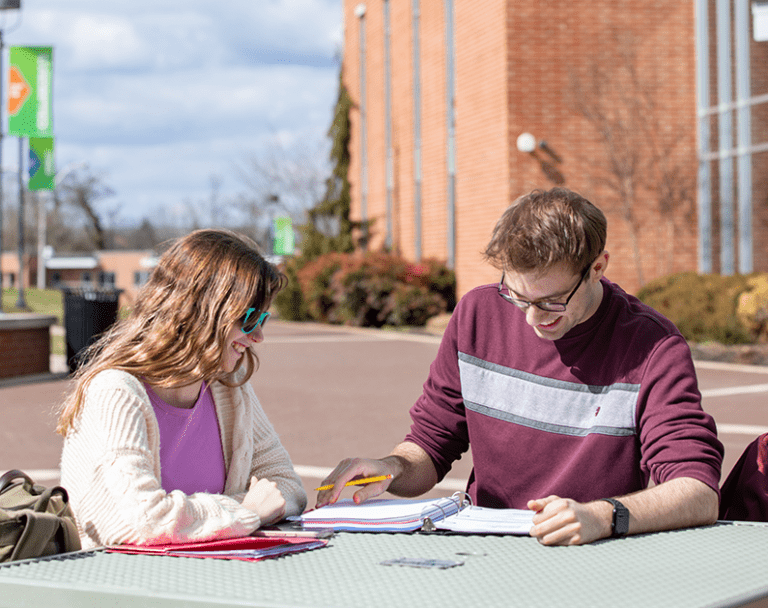
When the weather warms and the York College quad fills with students throwing discs or lounging against tree trunks, it’s not just a sign that spring has arrived. It’s also an invitation to take your studies outside.
Connecting with nature and succeeding academically go hand in hand. Research shows that taking your laptop or textbook outdoors doesn’t just provide a change of scenery; it’s a way to support your attention, mental health, and academic performance.
Nature’s brain boost
According to the American Psychological Association, exposure to natural environments has measurable benefits for cognition and mental health. Students who spend time outdoors can experience numerous advantages, including:
- Enhanced cognitive function: Being among nature has been shown to improve working memory, boost attention span, and support greater cognitive flexibility. Natural environments give the brain a chance to rest and recover from mental fatigue, helping you return to your studies with clearer focus and sharper problem-solving skills.
- Reduced stress levels: Being outdoors can reduce your body’s production of cortisol, the hormone responsible for stress. Nature’s calming effects, such as the sound of leaves rustling or water flowing, activate the parasympathetic nervous system. This promotes relaxation, which might help you feel less overwhelmed by academic pressures.
- Improved mood and wellbeing: Regular exposure to green spaces has been linked to increased happiness, a greater sense of purpose, and better overall emotional resilience. Studying outside also encourages physical movement and social interaction, which can help you have a more balanced and positive college experience.
More than a pretty backdrop
Outdoor studying doesn’t have to mean hiking into the woods with your biology notes (although that could be fun). It can be as simple as sitting under a tree near the Humanities Center or spreading out on the lawn near Schmidt Library.
Natural light and fresh air can reduce eye strain, boost vitamin D, and combat screen fatigue. If you’ve spent hours at a time reading, writing, or attending lectures, you know how valuable all those benefits can be.
Throughout York College’s park-like campus, you’re never far from a perfect study nook. Take a stroll between classes and scope out a favorite spot. To make the most of your outdoor study time, consider these tips:
- Check the weather: Outdoor studying only works if you’re dressed for it, especially with York’s often unpredictable spring and fall weather. A light jacket, hat, or blanket can make cooler days more comfortable, while sunscreen and shade are essential for sunnier stretches. Always check the forecast before committing to an extended study session outside.
- Pack your essentials: Make sure you’re equipped for comfort and focus. A portable charger keeps your devices powered up, snacks help maintain your energy, and headphones can be a lifesaver if you need to tune out background noise. If you’re going to be far from buildings, make sure your phone has a mobile hotspot. A water bottle and sunglasses don’t hurt, either.
- Use the buddy system: Studying with a friend can keep you motivated and accountable. Whether you’re quizzing each other, sharing notes, or just enjoying the same space in focused silence, having someone nearby can make studying feel less isolating while giving you somebody to chat with during breaks.
- Time it right: Timing matters when it comes to outdoor productivity. Mid-morning to early afternoon tends to offer ideal lighting and temperatures, especially in spring or fall. Avoid peak sun hours if it’s hot and aim for shaded spots if you’re studying later in the day.
Spending even a short time outside has the power to shift your mindset and reset your focus. Pair that with deep breathing, hydration, and intentional breaks, and you’re well on your way to building a sustainable study routine.
Next time you’re feeling stuck in a study rut, don’t just refresh your screen; refresh your environment. Grab your materials and head outdoors. Your brain, and your GPA, might thank you.